
Number bonds of 10 don't have to be boring! Make teaching them fun with these 9 tips!
Ten fingers. Ten toes. Ten pins in a bowling game. Ten pennies in a dime. Ten years in a decade. What other things can you think of that come in groups of 10? Since our number system is base 10, learning about number bonds of 10 is critical for young children. But have you ever been frustrated and asked yourself, “How do I teach this?” Or have you said while pulling your hair out, “How can I teach the number combinations of 10 so my students have a deeper understanding?” Here are 9 fun activities you can use to lose the frustration while building a strong foundation in math. Your students will love these activities to help them learn the different combinations that equal 10.
Why Focus on Making 10?
When kids understand that numbers can be broken apart and put back together in different ways, you’re giving them a secret code to crack harder problems later on. Using number bonds of 10 is one addition strategy that I love to teach! You can use these addition and subtraction strategy posters to remind your students of the strategies that can be used when solving problems. Simply put your name and email in the boxes below. Check your inbox, and they will be in your inbox before your students can think of all of the strategies that can be used to solve equations!
Number bonds of 10 are especially powerful because they show up everywhere including regrouping in addition and subtraction or simply building strong number sense. And the best part? Practicing these facts doesn’t have to be boring. Here are nine activities that turn making 10 into hands-on fun.
Make 10 with Fingers
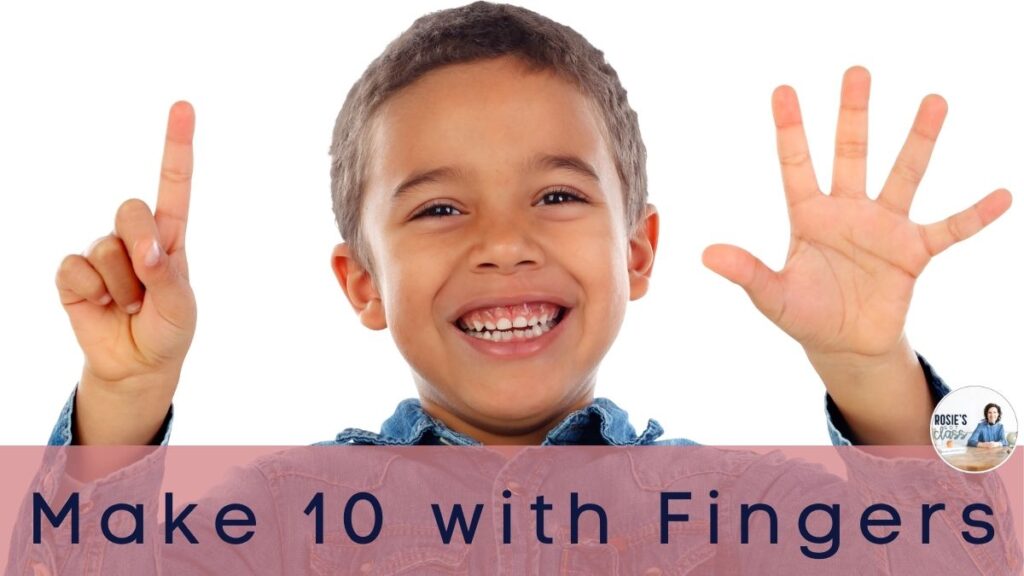
This activity is simple but so effective. Call out a number between 0 and 10, and have students show with their fingers what number goes with it to make 10. For example, if you say “6,” they’ll hold up 6 fingers and then quickly show 4 more to make a 10. It’s fast and visual, and kids love using their own fingers to “prove it.”
Number Bonds of 10 Relay
Since I don’t know of too many classes that don’t have extra energy to burn, this activity is just what you need. Split your class into two groups. One half will be runners, and the other half will hold number cards from 0 to 10. The runners dash to grab a number card and then find the partner holding the number that makes 10. With larger classes, you’ll probably want a few sets of cards to keep the game moving while getting out the wiggles.
Roll For Number Bonds of 10
Hand out dice and whiteboards (or recording sheets). Students roll a die, say the number, and then name the number that makes 10. For example, if they roll a 2, they’ll write 2 + 8 = 10. It’s quick practice that doubles as an easy math center.
Number Bonds of 10 Bead Bracelets
Give students a pipe cleaner with 10 beads. When you call out a number, they slide that many beads to one side, leaving the rest on the other. For example, call out “7,” and they’ll show 7 beads on one side and 3 on the other. This is a fantastic way for students to see the parts of 10 split right in front of them, and they get the bonus of fidgeting with beads.
Go Fish
Classic game with a math twist. Use only number cards from 0 to 10. Students try to collect pairs that make 10. If they have a 6, they’ll ask, “Do you have a 4?” It reinforces pairs of 10 in an interactive way.
Spin and Make Number Bonds of 10
Create a spinner with numbers 0–10. Students spin a number and then record the number that needs to be added to make 10. For example, spin a 5, and they’ll write 5 + 5 = 10. This activity works well for both independent practice or partner games.
Linking Cubes
Grab two colors of linking cubes. When you call out a number, students build that number with one color and then add the other color to make 10. For example, call out “3,” and they’ll stack 3 red cubes and 7 blue cubes. The visual of the two parts joining to make a whole is so powerful for strengthening the idea of number bonds.
These 7 activities listed above are hands-on and are simple to implement, but they help children gain a greater depth of knowledge and understanding. This process is not a one day event and takes time and effort and practice, but you have replaced your frustration and feel empowered.
Now What?
It is time to help your students feel confident by practicing number bonds of 10, but now you may be asking yourself the question, “How do I practice these skills frequently?” I have a few suggestions to help you in your efforts.
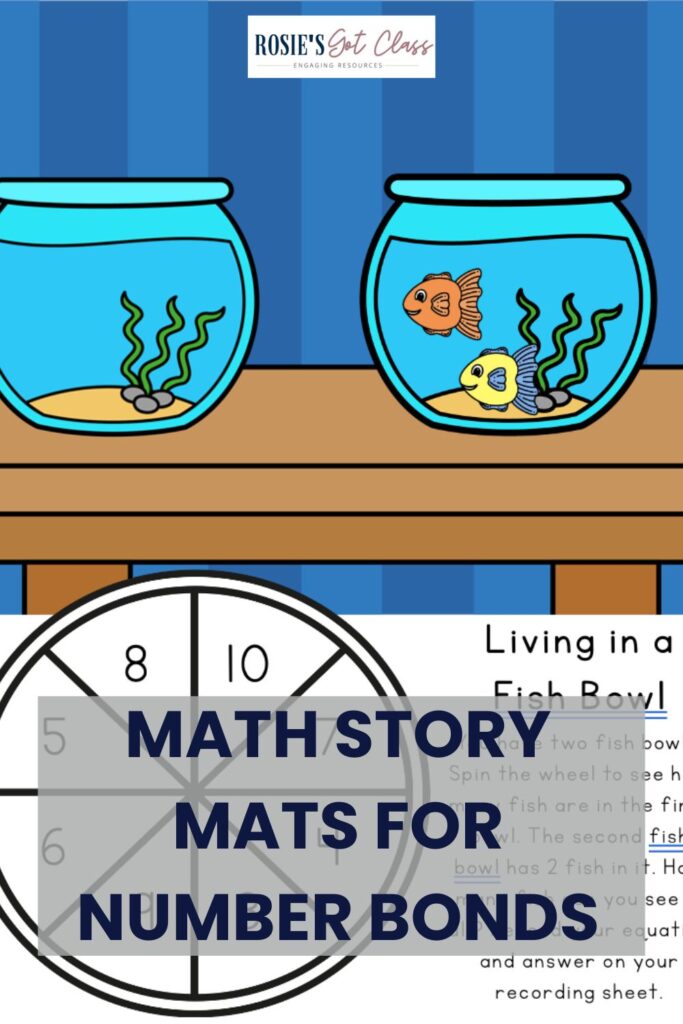
The first suggestion is to continue practicing with manipulatives. Math story mats are a fantastic way to help your students build their confidence in their math fact skills. Since they have learned and practiced the number bonds of 10, they will begin seeing these facts as they use the mats to focus on different addition and subtraction within 20 problems.
How Do Math Story Mats Work
Each math story mat focuses on a number to add or subtract. Students use a paper clip for a spinner and spin a number. They use that number to make an equation with the number that the math story mat focuses on. This gives them solid practice with a focused number and helps them make other connections in their learning including the number bonds of 10. They also use a recording sheet to write down the equations that they create which helps solidify their learning.
Color By Code
Another way students can make these connections is with color by code worksheets. After the equations are solved, then students color the page according to the answer. The problems help students deepen their understanding and use the strategies they have learned and have been practicing. And who doesn’t love solving a code?

From fingers to beads, dice to relays, there are so many exciting ways to practice making 10. And the best thing is the more fluent your students are with these number bonds, the more confident they’ll be when tackling bigger, more difficult problems. Just like those ten pins in a bowling game or the ten pennies in a dime, tens are everywhere. By helping your students master making 10 now, you’re giving them a strong base to solve other problems while making it fun along the way.

